
Site Excavation Bendigo: The Groundwork That Makes or Breaks Your Build
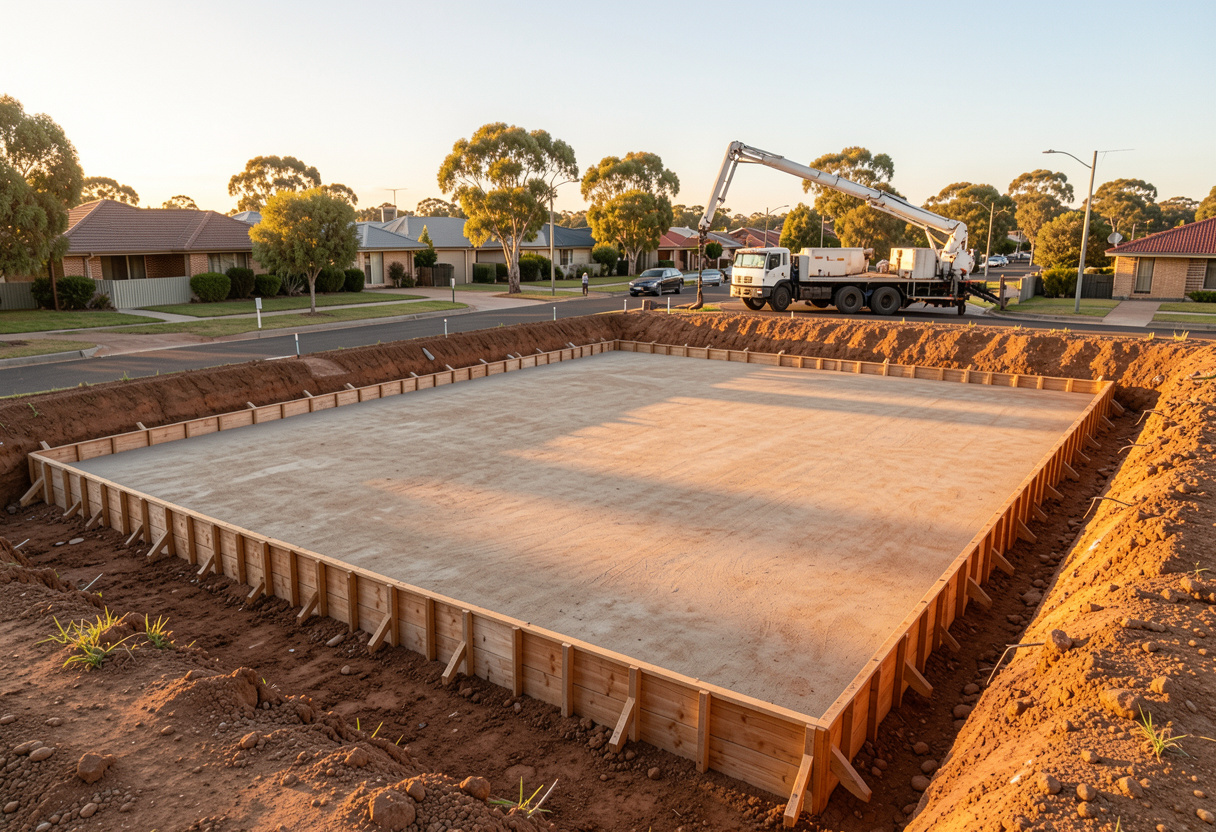
Site excavation in Bendigo is where every serious construction project begins — and where cutting corners costs you months, not days. Talk to any builder who’s dealt with a poorly excavated site and they’ll tell you the same story: levels that are off, sub-base that wasn’t properly compacted, a slab poured over ground that was never ready. Sorting that out mid-project is expensive in ways that are hard to overstate.
Our team handles site excavation across Bendigo and central Victoria — residential blocks, sloped allotments, home extensions, and commercial developments of varying scale. We work from clearing a single block in Strathdale through to preparing a full commercial building platform in the Kangaroo Flat industrial corridor. Every project starts with a clear earthworks plan built around your site’s actual ground conditions — because in central Victoria, those conditions vary a lot, and what works on one block won’t necessarily work on the next.

Residential Site Excavation Bendigo
Most residential sites in Bendigo need more earthworks preparation than homeowners initially expect. Whether you’re building new, extending, or adding a secondary dwelling, the ground has to be properly cleared, levelled, and compacted before any concrete work begins.
Commercial Site Excavation
Commercial excavation involves larger earthmoving volumes, more precise level requirements, and tighter programme constraints than most residential work.
We can mobilise the right equipment for commercial scale and work within a construction programme managed by a principal contractor — whether that’s a warehouse slab in Epsom or a full development site in the Bendigo CBD fringe.
Cut and Fill Operations
On a sloped site, cut and fill is the process that creates a workable building platform. Material is removed from the high side and either redistributed to the low side or carted off, depending on how the volumes balance.
Correct sequencing and compaction of cut and fill is not optional — an improperly compacted fill platform will move, and anything built on it moves with it.
Underground Services — Located Before Anything Moves
Water, gas, electrical, and telecommunications lines run beneath most Bendigo residential and commercial sites. Before any machine breaks ground on a site excavation, those services need to be located and marked.
We treat service identification as a non-negotiable step on every job — not something to skip because the site looks straightforward. One unmarked line can shut a project down for weeks.
From Site Excavation to Concrete — One Contractor for Both
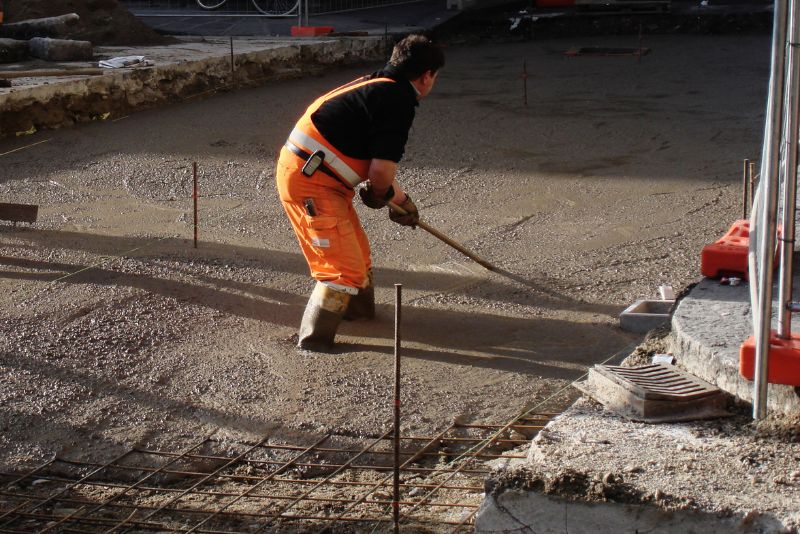
Once your site is excavated, graded, and compacted, the next stage is concrete footings, house slabs, and the structural concrete the building sits on.
We handle both sides of that sequence — site excavation and concrete work — which means no coordination gap between your earthworks contractor and your concreter, no blame-shifting if something needs revisiting, and a single point of contact from cleared ground through to poured slab.

Topsoil and Vegetation Removal
Organic material beneath a slab is a problem waiting to happen. As vegetation roots decompose they leave voids in the sub-base — and voids under concrete eventually become cracks in concrete.
Every site excavation we do starts with a full strip of topsoil and organic material, either stockpiled for reuse in landscaping or removed from site entirely before any compacted sub-base is laid.

Equipment and Machinery
We run excavators across the full size range — smaller machines for residential sites with restricted access, larger equipment for commercial earthmoving volumes.
Bobcats and skid steers handle material relocation and fine grading work. Compaction equipment establishes the required sub-base density once earthmoving is done. Whatever the scope of your Bendigo excavation, we have the machinery to match it.
When you get in touch, samples come to you. That means you can see aggregate blends against your home’s exterior in natural light, compare options side by side, and make a decision you’re confident in before anything gets poured.
Get a Free Site Assessment and Quote
If you’ve got plans or are still working through the scope, get in touch and we’ll review what the excavation involves before any commitment is made. We’ll look at your site, your ground conditions, and your programme — and give you a straight answer on what the work requires and what it’ll cost.
Call us today or send through your plans for a free site assessment and quote.
FAQs About Site Excavation in Bendigo
How long does site excavation take for a typical residential block in Bendigo?
Most standard residential site excavations in Bendigo take one to three days depending on the block size, slope, and ground conditions. A straightforward flat block in somewhere like Maiden Gully will move faster than a sloped allotment in Strathdale that needs significant cut and fill work. Once I’ve had a look at the site and the plans, I can give you a realistic timeline upfront.
What time of year is best to excavate in Bendigo?
Honestly, late autumn through early spring tends to work best around Bendigo — the ground isn’t baked hard like it gets in a 40-degree January, and you’re less likely to be dealing with water sitting in a freshly excavated site after summer storms. That said, we work year-round and plan around the conditions. Summer excavation is absolutely doable, it just needs the right approach to dust management and sub-base preparation in dry ground.
Does Bendigo soil cause any particular problems during excavation?
Central Victoria has some genuinely reactive clay soils — particularly through areas like Kangaroo Flat and parts of Epsom — and that clay behaviour needs to be accounted for in how we prepare and compact the sub-base. Clay that gets wet after excavation can shift significantly, so timing and coverage matter. I factor local soil conditions into every job rather than treating every site the same way.
Do I need council permits for site excavation in Bendigo?
For most residential excavations tied to a permitted building project, the excavation itself is covered under the building permit already in place. Where it gets more specific is on sloped sites with significant cut and fill volumes, retaining walls over a certain height, or anything near a boundary — those can trigger additional requirements under City of Greater Bendigo planning rules. I’d always recommend confirming with your building surveyor before we start, and I’m happy to flag anything that looks like it might need a closer look.
How much does site excavation cost in Bendigo?
Site excavation pricing varies too much to give a meaningful number without seeing the actual site — a flat 500sqm block is a completely different job to a sloped allotment that needs three metres of cut on one side. What I can say is that Bendigo pricing is generally more accessible than metro Melbourne rates, and I give fixed quotes based on a proper site assessment rather than open-ended hourly estimates that blow out. Get me out to the block and I’ll give you a number you can actually plan around.
What happens if you hit rock during excavation on my Bendigo site?
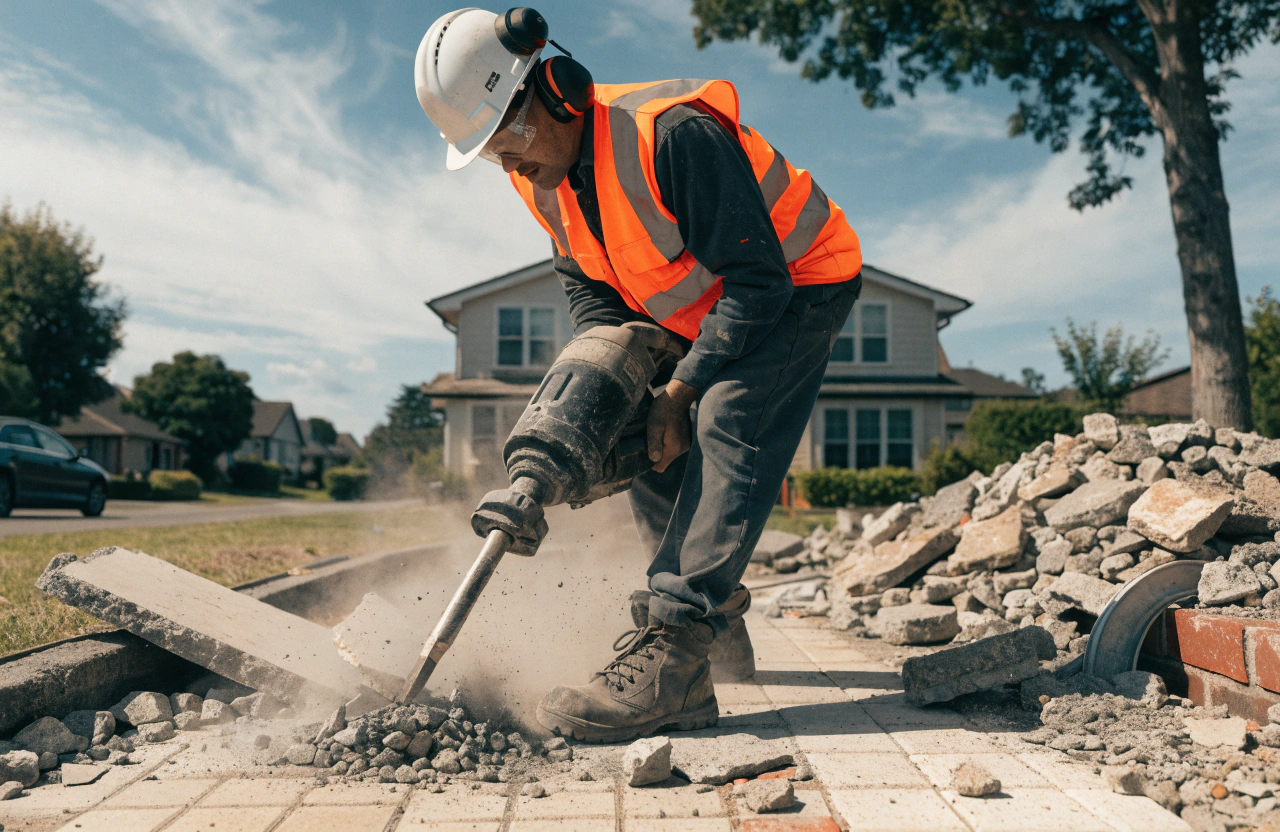
Rock isn’t a common issue across most of Bendigo’s residential growth corridors, but it does come up on certain sites — particularly on the elevated ground around White Hills and some of the older established areas. When we hit rock that can’t be broken with standard excavator bucket force, we bring in rock-breaking attachments to work through it rather than just stopping and calling it a problem. I’ll let you know if the site assessment suggests rock is likely so there are no surprises mid-job.
