
Bendigo’s Garage Slab Specialists — Single, Double, Workshop and More
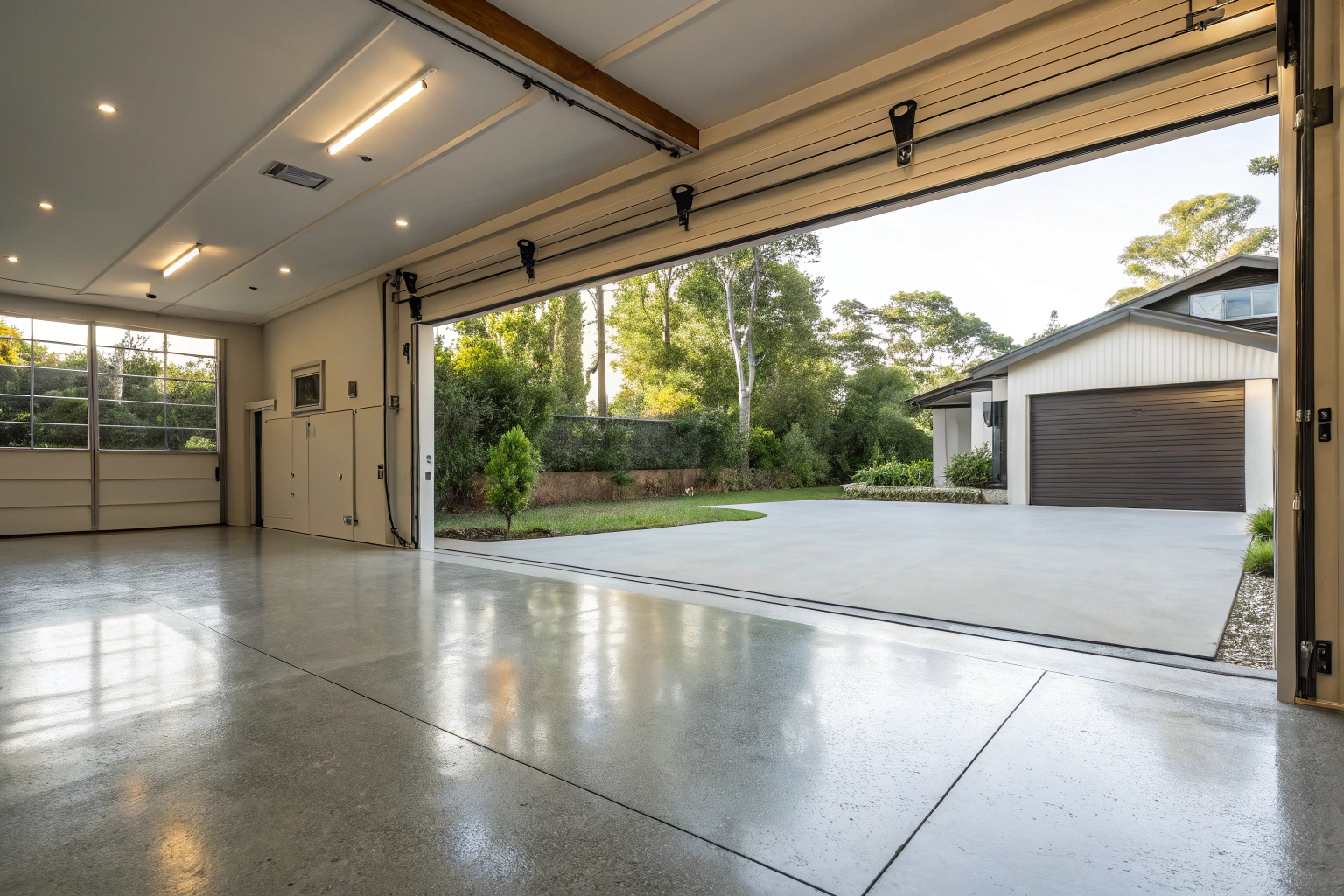
Garage slabs are one of the most consistently in-demand concrete services across Bendigo’s residential areas — and the range of what homeowners actually need varies considerably from one job to the next.
The team handles garage slabs across every configuration — single and double garages, attached and detached structures, standard residential garages, and larger multi-vehicle or workshop setups carrying heavier loads and higher finish expectations. From new builds in Strathdale and Maiden Gully through to garage replacements in Kangaroo Flat, White Hills, and Epsom, the work is the same: a correctly specified, properly reinforced slab that performs from day one and holds up over the long term.
Every garage slab job starts with the right specification for the intended use. Vehicle type, garage size, soil conditions, drainage requirements, and finish preference all factor into how the slab is designed and poured. That’s what prevents the cracking, surface deterioration, and costly remediation that comes from a slab built to a price rather than a standard.

What Makes a Quality Garage Slab Different From a Basic Pour
A garage floor takes a different kind of punishment than most other concrete surfaces on a residential property. Vehicle loads rolling in and out daily, oil and chemical spills, and the constant thermal cycling of a space that heats up in a Bendigo summer and drops overnight in winter — these are conditions that expose every weakness in an underspecified slab. A quality garage slab is built to handle all of it without deteriorating. A basic pour is built to pass an inspection and hit a price point.
The difference comes down to four things that should never be compromised to save a few hundred dollars at the time of installation:
- Correct thickness — specified for the vehicle type and load, not defaulted to the bare minimum
- Proper reinforcement — steel mesh positioned correctly within the slab depth, not sitting on the ground underneath it
- Right mix design — concrete specified for the environment and use, not just the cheapest available grade
- Surface finishing — done to a standard that holds up to daily use and looks the part for homeowners who use the garage as a workspace
Single Garage vs Double Garage Slab: What Changes
Garage slabs aren’t one-size-fits-all, and the jump from a single to a double garage changes more than just the square metres being poured.
A single garage slab — typically covering around 18–20sqm — is generally poured at 100mm thickness for standard passenger vehicles. It’s a more straightforward pour, with a simpler formwork setup and a sub-base area that’s easier to prepare and compact consistently.
A double garage slab shifts the equation. The larger footprint means more surface area exposed to vehicle load, more potential for sub-base inconsistency across the pour, and higher overall stress on the slab. Most installers recommend stepping up to 125mm thickness for a double garage, particularly where two vehicles are regularly parked or where one vehicle is a ute, van, or SUV carrying significant weight.
The reinforcement layout also scales — a double-garage slab needs mesh coverage across the full pour area, with correct overlap at joins and consistent positioning throughout the slab depth.
Get the spec right for the size from the start.
Garage Slab Thickness: What Your Bendigo Garage Actually Needs
Thickness is the single most important specification decision on a garage slab — and it’s the one most commonly underspecified when price is the primary driver.
A standard residential garage slab is poured at 100mm minimum. That’s adequate for a single garage with regular passenger vehicles, a well-prepared sub-base, and no heavy equipment stored on the floor. Push beyond that, and 100mm starts to show its limits.
For a double garage, 125mm is the recommended starting point. For workshop garages carrying hoists, heavy machinery, or commercial vehicles — think tradies with loaded work vans or homeowners running a home workshop — thickness and reinforcement need to be specified to the actual load, not a residential default.
The cost difference between 100mm and 125mm at the time of pour is modest. The cost of remediating a slab that’s cracked under load it wasn’t built for is not. Get the thickness right from the start.
Steel Mesh Reinforcement and Why It Can’t Be Skipped
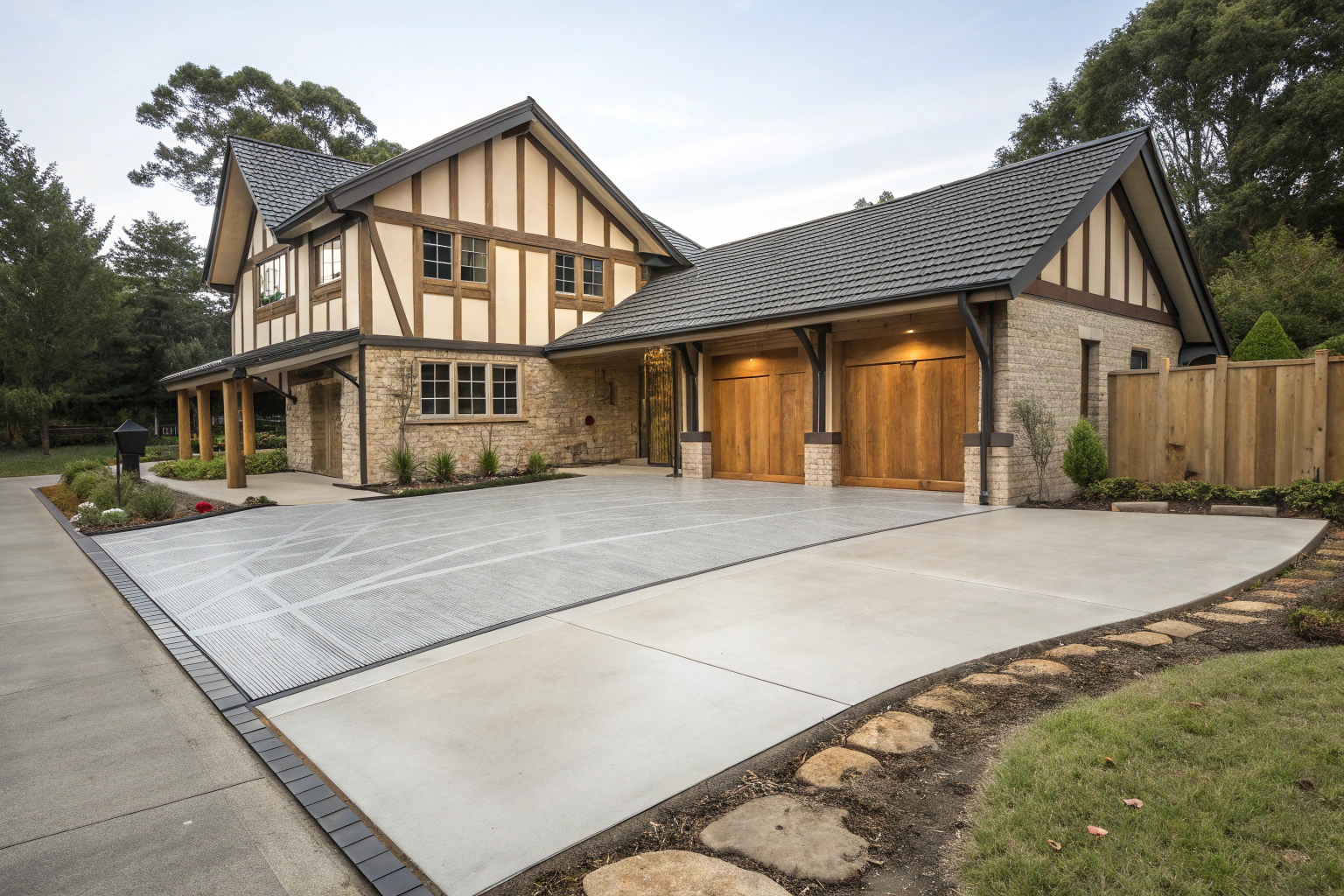
Reinforcement is what separates a garage slab that holds up over decades from one that cracks under load within a few years. In a floor that takes daily vehicle weights, thermal movement, and the occasional heavy load from equipment or storage, steel mesh isn’t optional — it’s the structural backbone of the pour.
The mesh needs to be positioned correctly within the slab depth — typically sitting in the lower third of the pour, held off the sub-base with bar chairs so it’s actually embedded in the concrete rather than sitting underneath it. A mesh resting on the ground provides almost no structural benefit. It’s one of the most common shortcuts taken on lower-cost pours and one of the first things that shows up as cracking down the track.
For workshop garages, hoists, or any application carrying commercial vehicle loads, standard mesh gives way to heavier reinforcement bars specified to the load requirements.
Control joints are cut or formed into the slab surface after the pour to manage natural concrete movement — directing any minor cracking to predetermined lines rather than letting it run randomly across the surface.
Garage Slab Surface Finish Options for Bendigo Homeowners
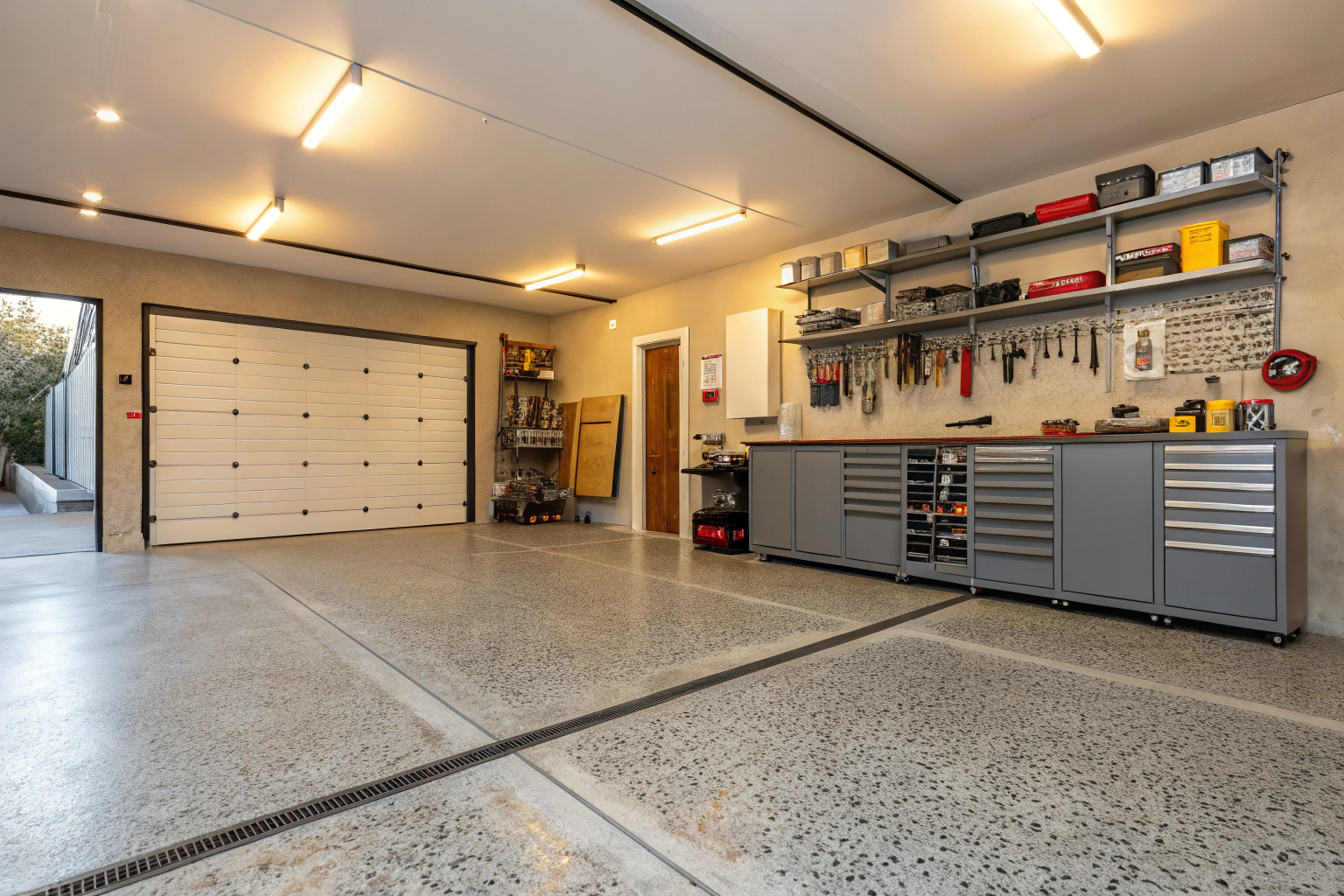
Garage slabs offer more finish flexibility than a basic shed base — because the surface is visible, used daily as a functional workspace, and in many cases needs to complement the home’s driveway or exterior finish.
Three finishes work well for Bendigo garages:
Steel trowel or power float finish — a smooth, dense, hard-wearing surface that suits a clean workshop environment and is easy to sweep and maintain. The most popular choice for homeowners who want a polished, functional floor.
Broom finish — a practical non-slip texture applied across the surface before the concrete sets. Suits standard garage use where grip underfoot matters more than appearance.
Exposed aggregate or coloured concrete — for homeowners who want the garage floor to carry through the finish of the driveway or outdoor areas. Adds a level of visual cohesion to the property that a plain grey slab simply doesn’t deliver.
Talk to the team about which finish suits your garage setup and how it ties into the broader property.
Drainage Design for a Garage Slab That Stays Dry
A garage slab that pools water at the back wall or along the sides isn’t just inconvenient — it accelerates surface deterioration, creates slip hazards, and can cause moisture problems for anything stored or parked in the space.
Correct drainage starts with the grade. A properly finished garage slab is laid with a slight fall toward the door opening so water moves out of the garage rather than sitting on the surface or collecting against the walls. It’s a simple design principle that’s easy to get right during the pour and difficult to fix after the fact.
Two drainage considerations worth factoring in at the planning stage:
- Slab grade toward the opening — the standard approach for most residential garages, built into the formwork and finish during the pour
- Drainage channel at the garage entry — worth incorporating for properties where surface water runs toward the garage from the driveway, or where water management is a higher priority
Where drainage problems typically come from:
- Slab poured level with no fall designed in
- Grade falling in the wrong direction — toward the back wall
- No provision for entry water on sloped driveways or low-lying blocks
Get the grade right during the pour. It costs nothing extra and saves a lot of headaches long term.
Control Joints: Managing Concrete Movement the Right Way
Concrete moves. It expands in Bendigo’s summer heat, contracts in cooler overnight temperatures, and responds to the moisture changes that come with seasonal shifts in reactive clay soils. That movement doesn’t stop — it’s a permanent characteristic of any concrete slab, and a garage floor is no exception.
Control joints are the tool used to manage that movement predictably. Saw cuts or forming into the slab surface after the pour, they create deliberate weak points that direct any minor cracking to predetermined lines rather than letting it run randomly across the surface. Done correctly, control joints are barely noticeable. Done incorrectly — or skipped entirely — and the slab decides where it cracks on its own terms.
Spacing and depth matter. Control joints in a garage slab are typically spaced at intervals that reflect the slab thickness and overall dimensions of the pour. Too far apart and they lose effectiveness. Too shallow, and the crack won’t follow the joint as intended.
It’s a straightforward part of the process that makes a visible difference to how the finished slab holds up over time.
FAQ: Garage Slabs Bendigo
For a single garage with standard passenger vehicles, 100mm is the minimum. A double garage or any setup with heavier vehicles — utes, vans, SUVs — should be poured at 125mm. Workshop garages carrying hoists or machinery need thickness specified to the actual load. Get the spec right from the start.
Garage slab costs vary depending on size, thickness, reinforcement requirements, sub-base preparation, and surface finish. A standard single garage slab sits in a different price range to a double or workshop slab with drainage and a power float finish. The best way to get an accurate figure is a free on-site quote. That way the price reflects your actual job.
Yes — every garage slab should have steel mesh reinforcement, correctly positioned within the slab depth. A mesh sitting on the ground rather than embedded in the concrete provides almost no structural benefit. It’s one of the most common shortcuts on cheaper pours and one of the first things that shows up as cracking later.
Concrete reaches workable strength within 24–48 hours, but full cure takes around 28 days. In Bendigo’s hot summer conditions, curing needs to be managed carefully to prevent surface cracking from moisture loss. Light foot traffic is generally fine after a day or two. Vehicle loads should wait until the slab has reached sufficient strength.
It depends on how the garage is used. A power float finish suits a clean workshop environment and is easy to maintain. A broom finish gives better grip for standard day-to-day garage use. Exposed aggregate or coloured concrete works well where the floor needs to tie in with the driveway or home exterior finish.
Get a Free Garage Slab Quote for Your Bendigo Property
A garage slab is a long-term investment in your property — and getting the specification right before the pour is far cheaper than fixing problems after it. The team handles the full scope from excavation through to finished slab, and can advise on the correct thickness, reinforcement, drainage, and surface finish for your garage size, vehicle type, and intended use before any commitment is made.
Get in touch today for a free quote and site assessment. Whether you’re building a new single garage, upgrading a double garage floor, or putting down a slab for a workshop or multi-vehicle setup, the team is ready to give you a straight answer on what the job involves and what it will cost.
Call us today or fill in the quote form and we’ll be in touch to arrange a time that suits you.
