
Bulk Excavation Bendigo Contractors Rely on for Large-Scale Earthmoving Projects
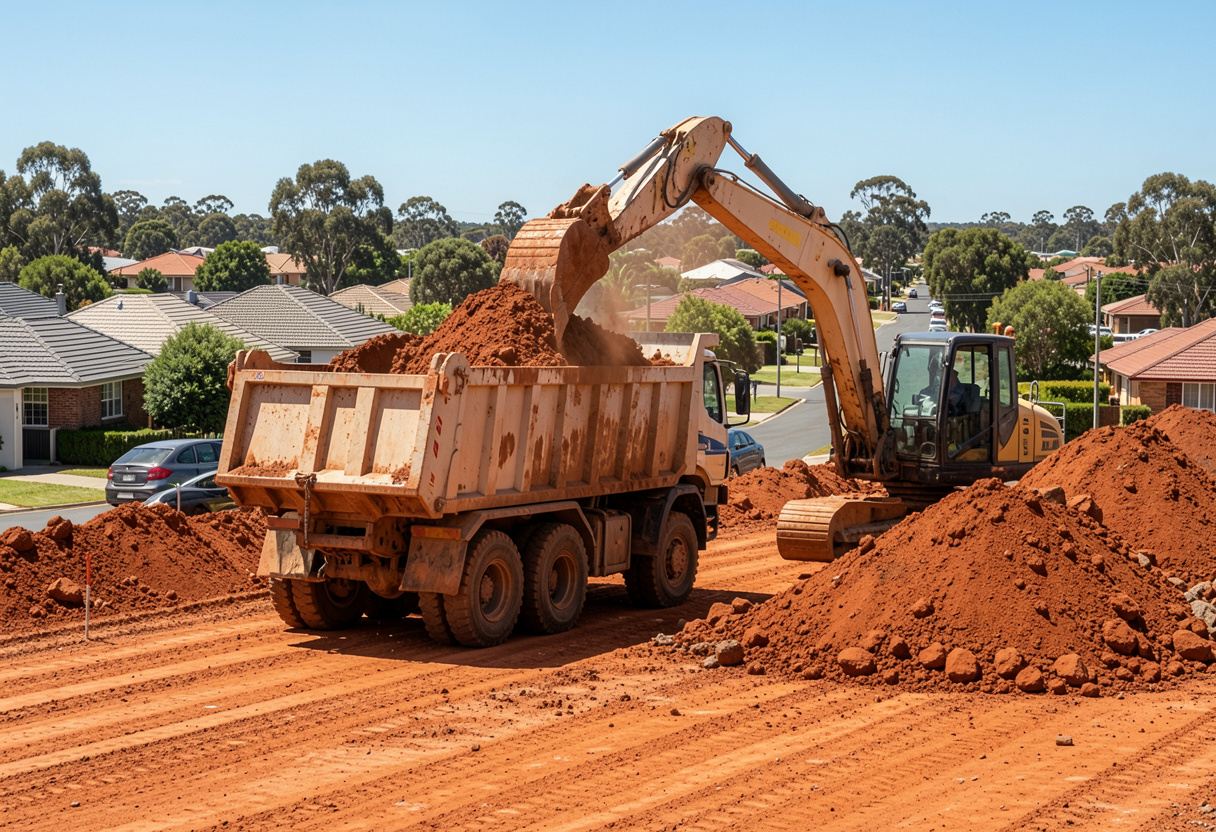
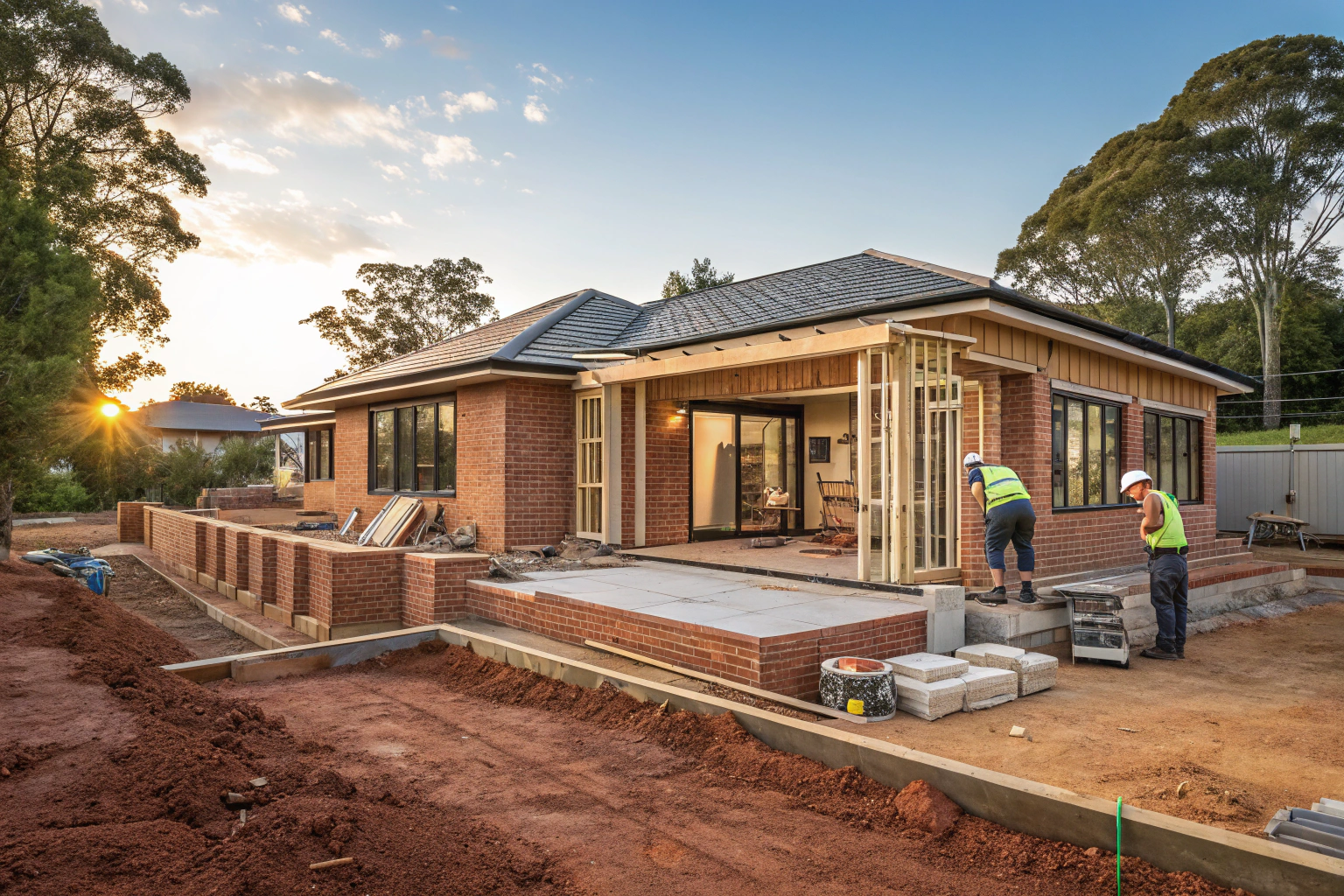
Bulk excavation Bendigo builders and developers count on starts with one thing — having the right team and the right equipment on site from day one. When you’re moving serious volumes of earth, whether that’s cutting down a sloped block in Maiden Gully, preparing a commercial site off the Midland Highway, or digging out a basement in one of Bendigo’s newer residential corridors, delays at this stage cost everyone down the line. Every trade that follows is waiting on you to get the ground right.
That’s the reality of bulk earthmoving. It’s programme-critical work, and it rewards contractors who understand that volume, schedule, and material balance are what the job is actually about. Servicing Bendigo and the surrounding region — from Kangaroo Flat and Epsom through to Marong and the rural fringe — this team brings the equipment capacity and project management experience that large scale earthmoving demands.

Residential Bulk Excavation in Bendigo
Commercial Bulk Excavation Bendigo
Commercial bulk excavation involves larger volumes, more complex level requirements across bigger footprints, and typically tighter programme constraints than residential work. Whether you’re a principal contractor managing a staged commercial development or a developer preparing a multi-lot site, the business deploys appropriate equipment and crew for commercial scale earthmoving and works within the construction programme rather than around it.
The team is set up to coordinate directly with site managers, respond to programme updates, and provide the kind of reliable mobilisation and completion that commercial projects demand. Earthmoving delays at the start of a commercial programme have a way of compounding — getting the bulk excavation scope closed out on schedule protects the programme for every trade that follows.
Cut and Fill Balance — The Central Challenge of Most Bulk Excavation Projects
On an ideal site, the volume of material cut from high areas equals the volume needed to fill low areas. A balanced cut and fill minimises the cost of importing material or carting surplus away — and it’s the scenario every project aims for during planning. In practice, most sites have an imbalance one way or the other.
When a site runs long on cut material, the surplus needs to be loaded, transported off site, and disposed of at an approved facility — or relocated to another site where it can be beneficially reused. When a site is short, imported fill needs to be sourced, delivered, and properly placed. The business approaches the material balance calculation during the quoting process, reviewing survey data and plans to give an accurate picture of what the site will produce and what it will need before any work starts.
Spoil Removal and Disposal
Surplus excavated material doesn’t disappear on its own. Excess spoil needs to be loaded, trucked off site, and either disposed of at an approved facility or directed to a beneficial reuse destination. Managing that movement is part of the bulk excavation scope — not an afterthought.
The team handles spoil removal as an integrated part of the programme and can advise on disposal options and associated costs during the quoting process. For builders and developers managing tight site budgets, getting an accurate spoil volume estimate upfront avoids the kind of cost surprises that come from underestimating just how much material a site is going to produce.
Imported Fill and Compaction
Where a site requires material to be built up, the quality of the imported fill and the standard of compaction achieved are critical to the long-term stability of the building platform.
This team sources appropriate fill material and achieves the required compaction standard on every fill placement operation. That means layer-by-layer placement, compaction testing where required, and a finished platform that the concrete and construction trades can build from with confidence. Cutting corners on fill compaction is the kind of problem that doesn’t show up until a slab has moved or a footing has cracked — and by then the fix is considerably more expensive than getting it right the first time.

Equipment Deployed for Bulk Excavation
Genuine bulk earthmoving requires machinery scaled to the task. Large excavators handle the primary cut and loading operations. Dump trucks and articulated haulers move material around the site or transport spoil off site. Bulldozers and graders spread and rough grade fill across larger areas. Vibrating compactors establish the required density in fill layers.
This business is equipped for real bulk earthmoving — not residential-scale machines trying to handle commercial volumes. The right equipment on site means the programme moves at the pace the project requires rather than being bottlenecked by under-resourced earthmoving.
From Bulk Earthmoving Into Concrete — One Team, One Programme
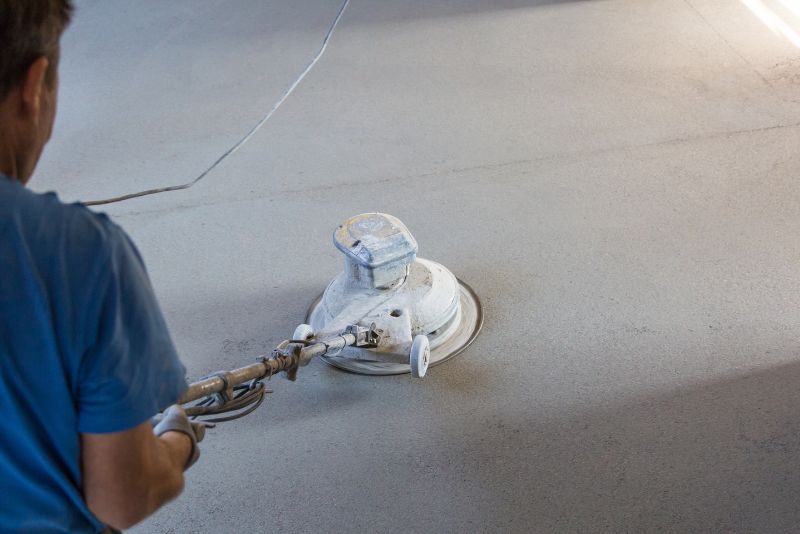
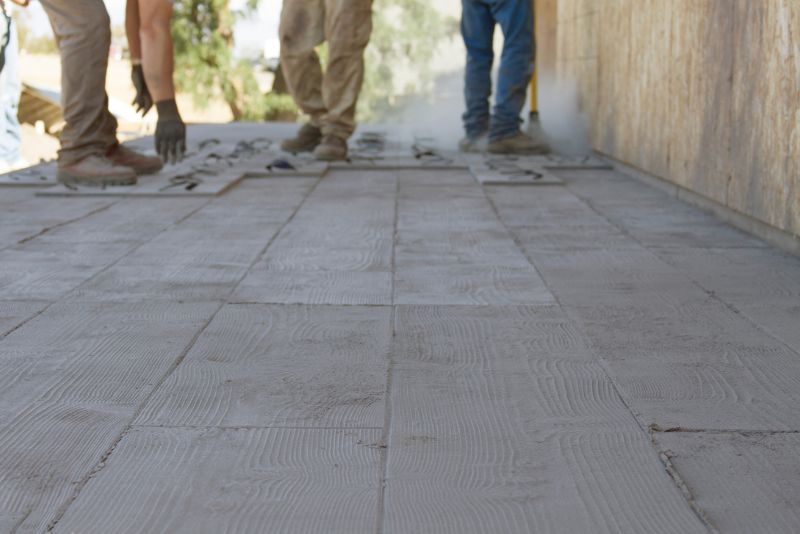
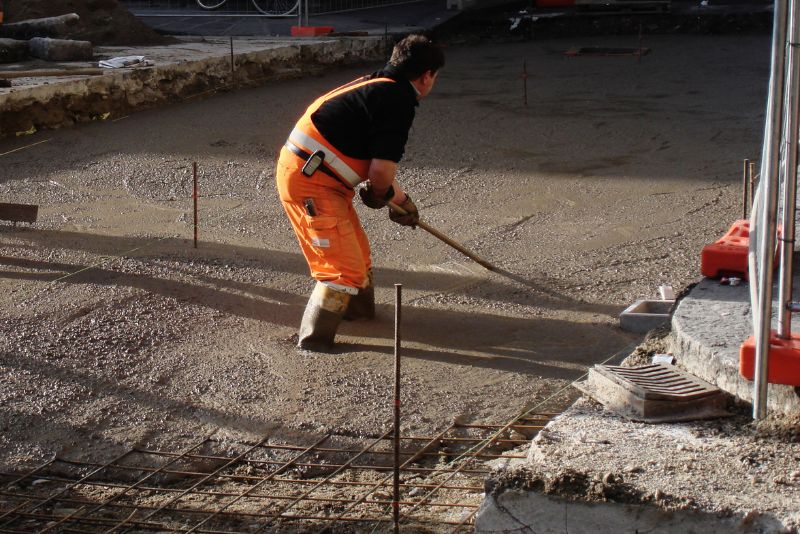
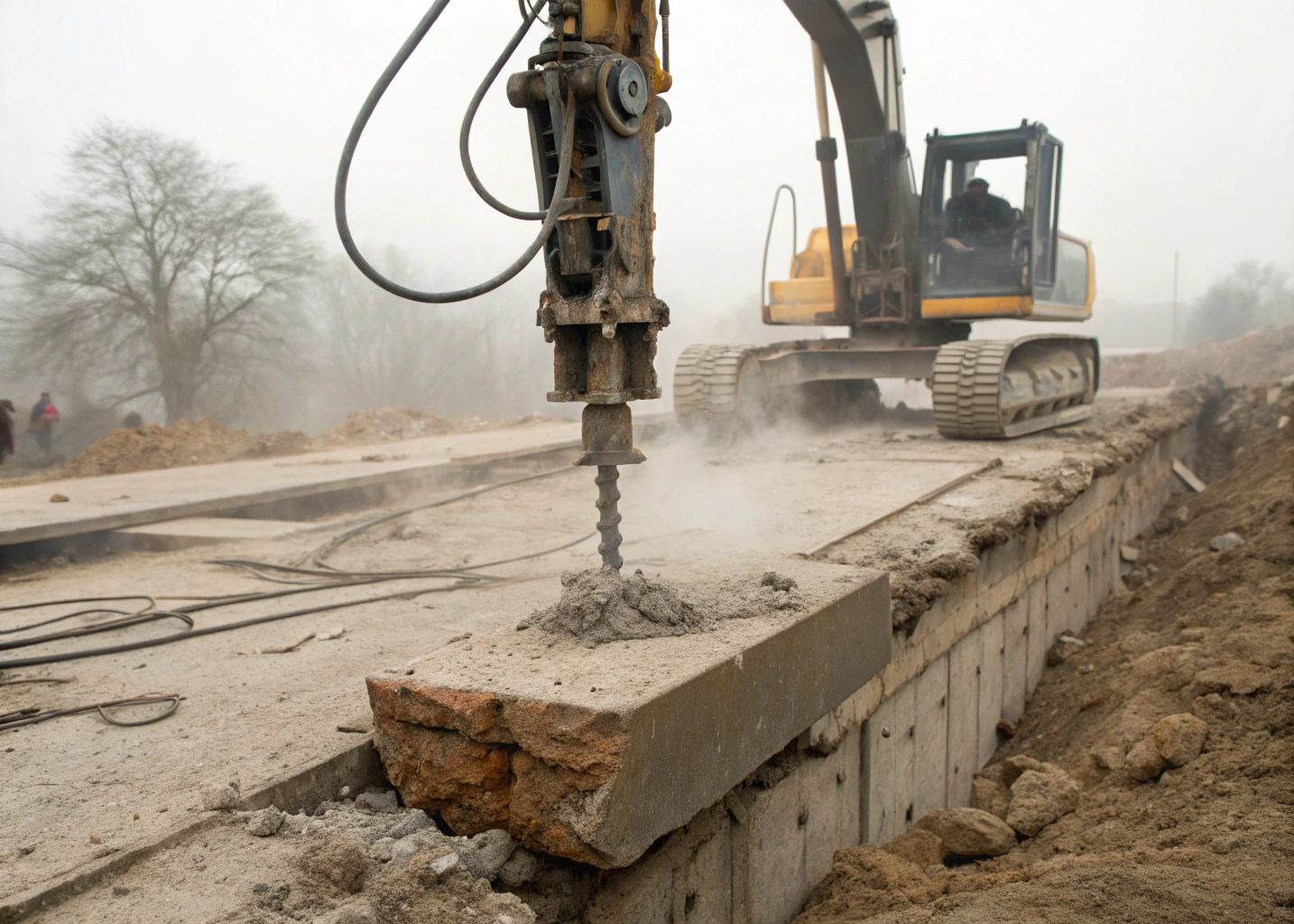
Once the bulk earthmoving is complete, the project moves into the more precise stages — site preparation, footing excavation, trenching, and concrete installation. Having the same contractor carry the project from bulk earthmoving through into the concrete stage eliminates a genuine programme risk: the coordination overhead and potential delays that come with handing the site from one excavating contractor to another mid-project.
The team works across the full scope — from site excavation and bulk earthmoving right through to the concrete work that follows once the ground is prepared. For builders and developers running a tight programme, that continuity is worth something real.
Get a Free Bulk Excavation Quote for Your Bendigo Project
Builders, developers, and homeowners with a significant earthmoving scope — get in touch for a free site assessment and quote. The team can review your survey data and plans to provide an accurate bulk excavation scope, material balance estimate, and programme before any commitment is made. Call or send through your project details to get started.
FAQs About Bulk Excavation in Bendigo
How long does a bulk excavation job typically take in Bendigo?
It depends on the volume and site complexity, but most residential bulk excavation jobs in Bendigo run anywhere from one day to a full week. A sloped block in Maiden Gully requiring significant cut and fill will take longer than a straightforward site strip in a flat Epsom subdivision. I can give you a realistic programme estimate once I’ve reviewed your plans and inspected the site.
Does bulk excavation in Bendigo require council permits?
In most cases, yes — particularly for significant cut and fill operations, basement excavations, or any work that alters drainage or affects neighbouring properties. Bendigo’s planning requirements around earthworks vary depending on your zone and the volume of material being moved, so it’s worth getting that sorted before the excavator arrives on site. I can point you in the right direction during the quoting process.
What time of year is best for bulk excavation in Bendigo?
Late spring through early autumn tends to give the best working conditions — the ground is workable, access is easier, and you’re not fighting Bendigo’s winter wet periods that can turn a cut site into a mud management problem overnight. That said, I work year-round and manage wet weather conditions as part of the programme. If you’re building to a deadline, earlier engagement means we can schedule around the conditions rather than react to them.
How does Bendigo's reactive clay soil affect bulk excavation?
Bendigo’s black and grey clay soils are notoriously reactive — they expand when wet and shrink hard in summer, which affects both how we manage cut faces and how we approach fill placement and compaction. I take soil behaviour into account when planning the excavation sequence and selecting fill material, because reactive clay compacted incorrectly will cause movement in your slab or footings down the track. Getting this right at the bulk excavation stage is what protects the concrete work that follows.
How much does bulk excavation cost in Bendigo?
Honestly, it varies too much to throw a number out without seeing the site — volume, access, spoil disposal requirements, and whether the site needs imported fill all move the price significantly. What I can tell you is that I provide detailed, transparent quotes based on your survey data and plans so there are no surprises mid-project. Most Bendigo residential bulk excavation jobs fall somewhere between a few thousand dollars for a straightforward scope and considerably more for complex cut and fill or commercial work.
Can bulk excavation be done on a tight or difficult-to-access block in Bendigo?
Tight access is one of the more common challenges I deal with across Bendigo’s older suburbs and infill sites — narrow frontages, established trees, and adjoining fences all add complexity to what equipment can be deployed and how material gets moved off site. I assess access as part of every site inspection and adjust the equipment selection and methodology to suit what the site actually allows. If access is going to be a constraint, I’d rather know that upfront and price accordingly than get on site and have a problem.
