
Precision Foundation Excavation in Bendigo for Structurally Sound Builds
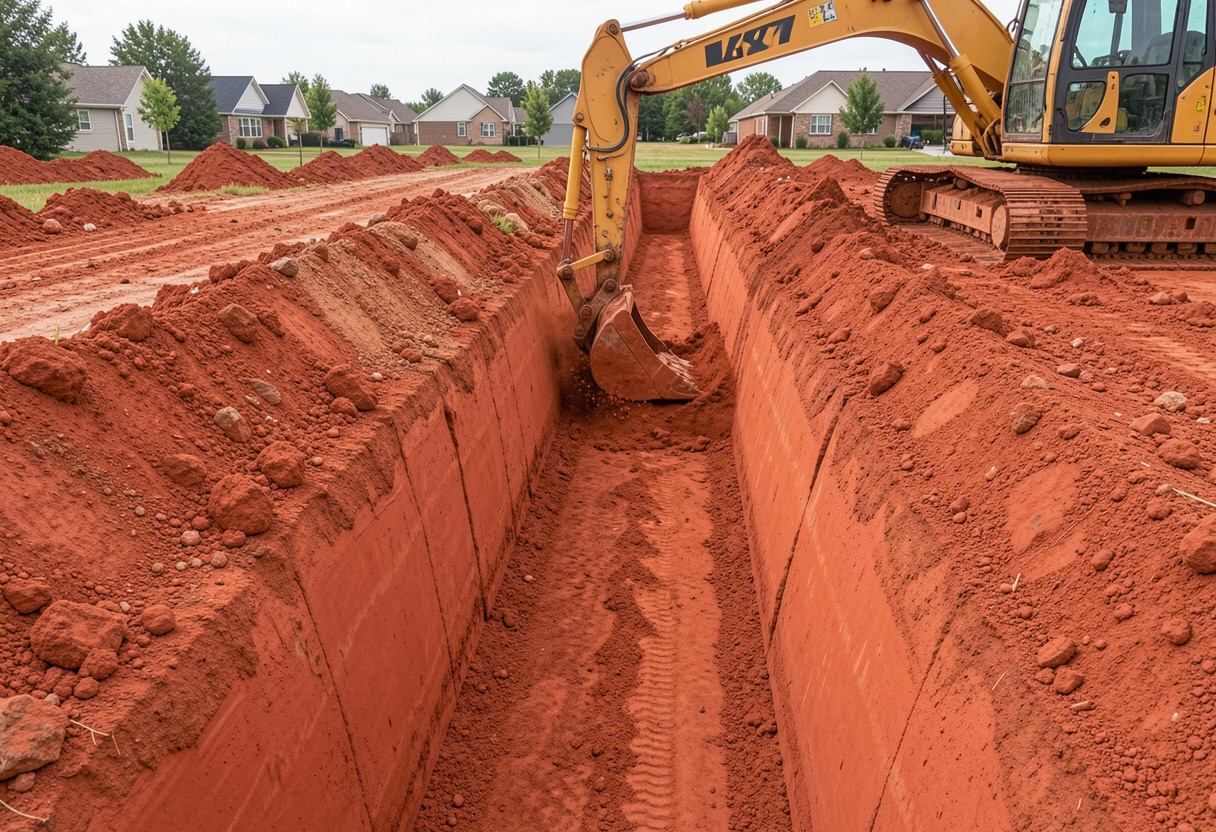
Foundation excavation in Bendigo is the kind of work that sets the tone for everything that comes after it. Get the depth wrong, rush the trench profile, or ignore what the reactive clay is doing beneath your feet — and the concrete that follows is already compromised before a single drop is poured.
This team handles foundation excavation across residential and commercial projects throughout Bendigo and surrounds — from precise trench excavation for strip footings and pad footings through to the full slab footprint required for a new home or commercial building foundation. Foundation excavation isn’t general earthmoving. It’s a precise digging activity carried out to specific depths, widths, and profiles defined by the engineer’s drawings and building surveyor requirements.
Every job is run from the drawings. No shortcuts on depth. No guessing on profile. Just accurate, inspectable excavation that sets the concrete stage up correctly — first time, every time.

What Foundation Excavation Actually Involves
Foundation excavation and general site excavation are two different activities — and confusing them creates problems on site. General site excavation establishes the overall ground level and building platform. Foundation excavation is what follows — cutting trenches for strip footings to the correct depth and width, excavating pad footing locations to the specified dimensions, and preparing the full slab footprint to the underside level the engineer requires. Both can happen on the same project, but they’re carried out in sequence and need different levels of precision.
Working to Engineer Drawings and Building Surveyor Requirements
Meeting Building Surveyor Requirements
Before any concrete is poured, the building surveyor inspects and approves the excavation. This is a critical pass-or-fail stage where depth, profile, and ground conditions must meet compliance standards without exception.
Avoiding Costly Rework and Delays
Excavations that are too shallow, uneven, or have disturbed bearing surfaces will fail inspection — leading to delays and added costs. Getting it right the first time protects both the schedule and the budget.
Proven Consistency on Bendigo Projects
With a strong track record across residential and commercial sites in Bendigo, this team consistently delivers excavation work that passes inspection the first time. Builders and owner-builders rely on accurate depths, correct profiles, and stable bearing surfaces

Protecting Completed Foundation Excavations
Getting the excavation right is only half the job. Protecting it until the concrete goes in matters just as much.
Bendigo’s clay soils are sensitive to moisture change after excavation. A decent rainfall can soften a trench base and reduce its bearing capacity. A stretch of hot, dry weather can cause exposed clay to crack and shrink. Either way, the bearing surface that passed inspection on Tuesday may not be the same bearing surface the concrete crew encounters on Friday.
The team advises on appropriate protection measures for completed foundation excavations and coordinates closely with the concrete pour schedule to keep the exposure window as short as practically possible. The goal is simple — hand over an excavation that’s in the same condition at pour time as it was at inspection time.
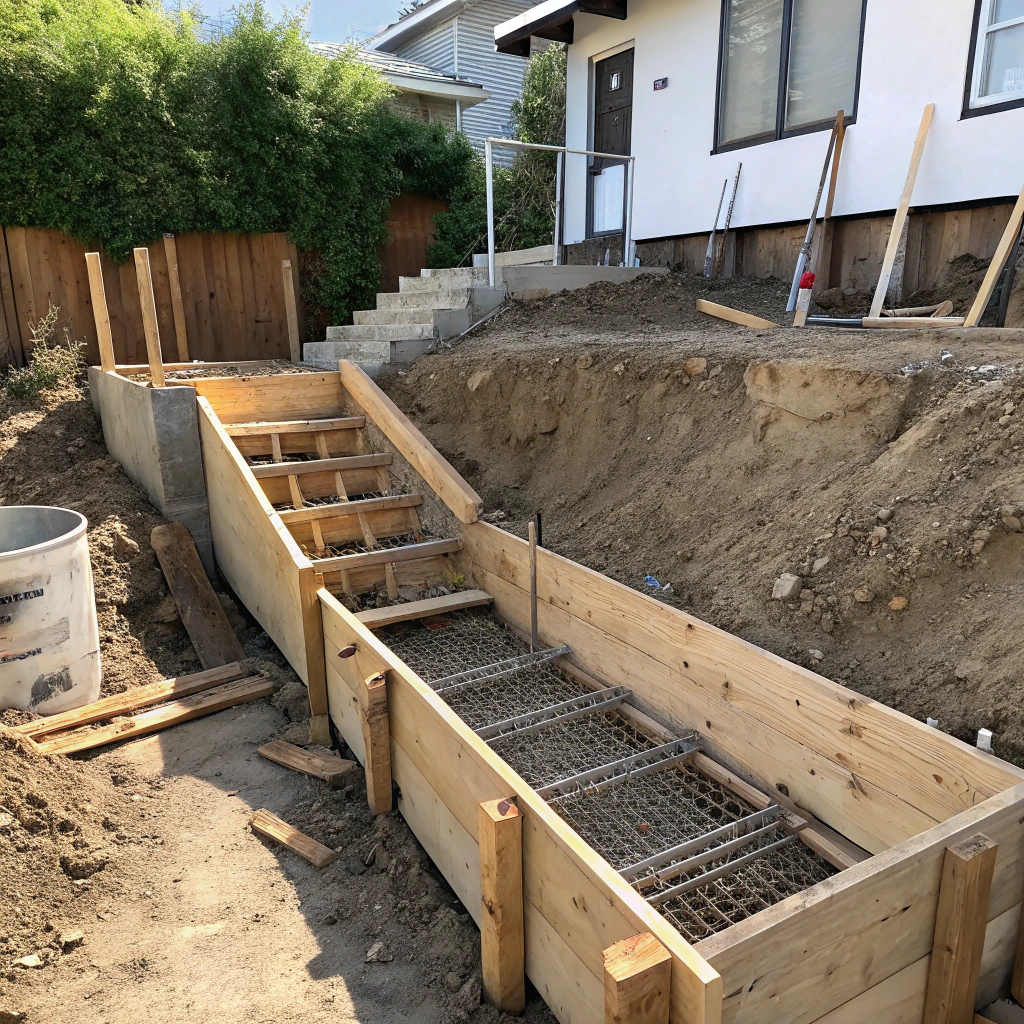
Equipment and Precision on Foundation Excavation Work
Excavators fitted with appropriately sized buckets handle the primary trench and footprint digging. Final trimming and cleaning of the trench base is carried out by hand where necessary to achieve the profile the engineer’s drawings require — because a machine bucket can get you close, but close isn’t always good enough when a building surveyor is coming to inspect.
Precision and care define this team’s approach to foundation excavation work. The machinery is the means, not the measure of quality — the measure is whether the finished excavation reflects what the drawings specify.
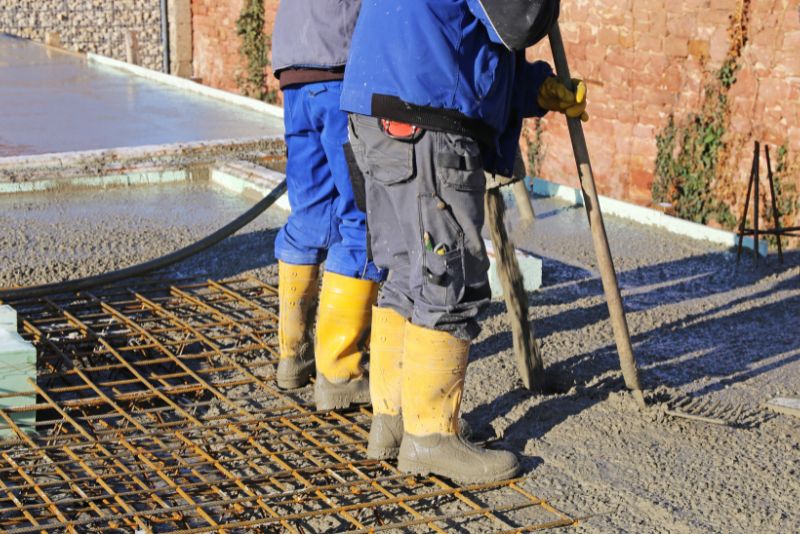
Foundation Excavation and Concrete Work — Better Together
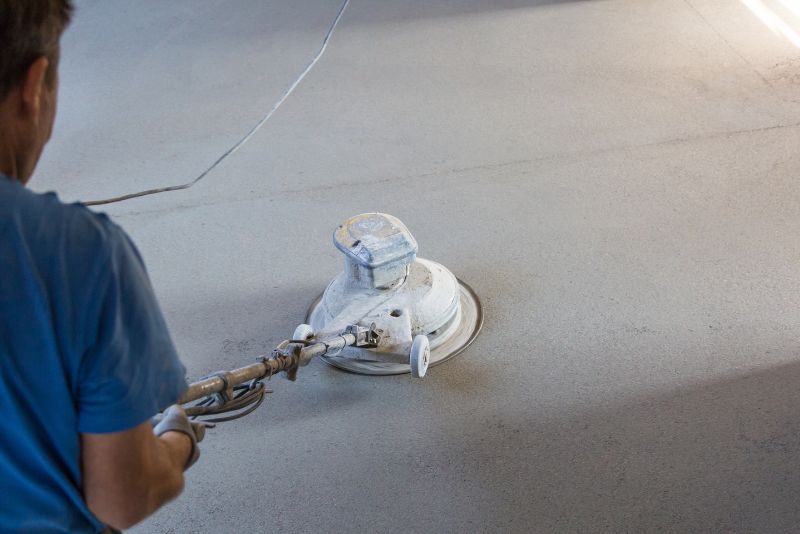
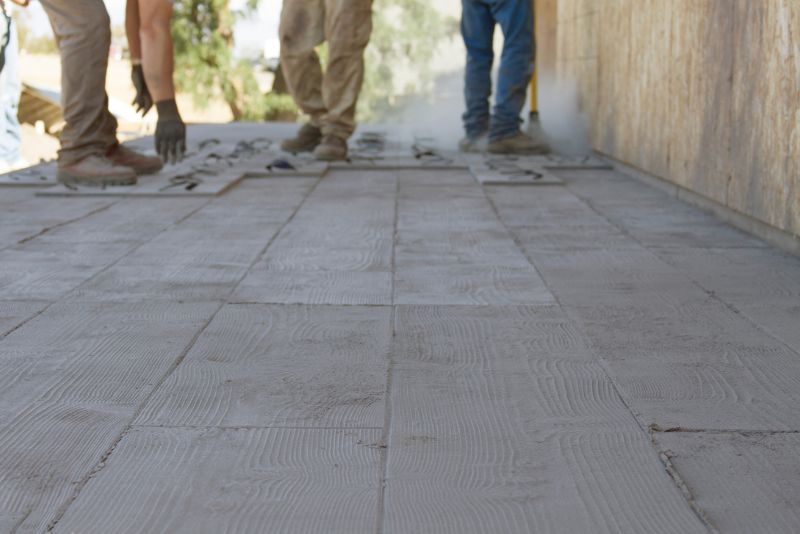
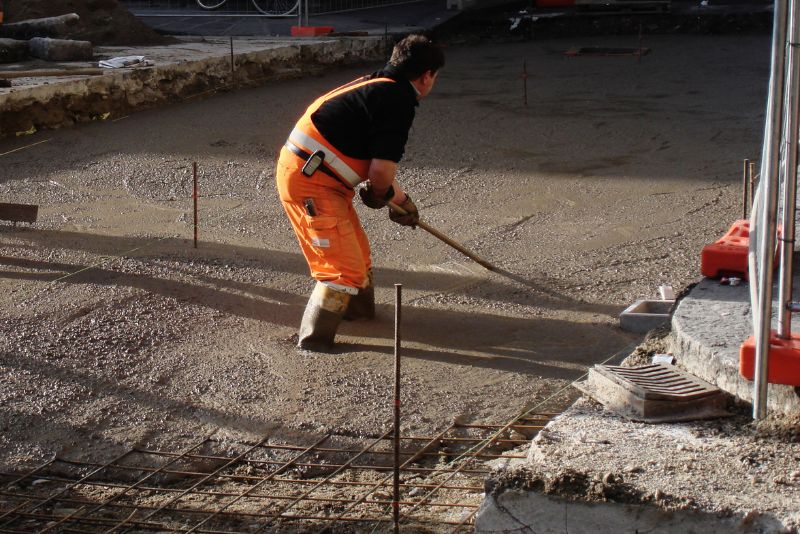
Foundation excavation and the concrete installation that follows are sequential activities that work best when they’re managed by the same contractor. The excavation team already understands the footing and slab requirements — the depths, the widths, the sub-base specification — and can deliver an excavation that sets the concrete stage up without remediation or adjustment at handover.
This team works directly alongside concrete footing and slab installation, covering concrete footings, strip footings, and house slab work as part of a connected service offering. Less coordination friction. Clearer accountability. One team that understands what the next step needs before the current one is finished.
Get a Free Quote on Foundation Excavation in Bendigo
Whether you’re a builder with a residential project in the pipeline, an owner-builder working through the stages for the first time, or a developer with a commercial foundation on the schedule — get in touch for a free quote.
The team can review your engineering drawings and advise on the excavation scope, methodology, and sequencing before the project reaches the foundation stage. No waiting until you’re on site to figure out the approach.
Call today or submit your details online. Accurate foundation excavation in Bendigo, done to the drawings, ready for inspection.
FAQs About Foundation Excavation in Bendigo
How long does foundation excavation take on a typical Bendigo residential build?
For a standard single-storey home in suburbs like Strathdale or Maiden Gully, most foundation excavation is completed in one to two days depending on the footprint size and soil conditions on that specific block. Bendigo’s reactive clay can slow things down if the ground is particularly wet or hard-set after a dry stretch, so we factor that in when we’re scheduling. Getting the timing right between excavation and concrete pour is something we plan for upfront, not on the day.
Do I need a soil test before foundation excavation starts?
Yes — and honestly, in Bendigo you really don’t want to skip this step. The reactive clay across a lot of the region varies significantly from one street to the next, and the soil report is what tells the engineer how deep your footings actually need to go. Without it, you’re guessing at depth requirements, and that’s not a guess worth making on something that sits under your entire building.
Can foundation excavation be done during Bendigo's winter months?
It can, but wet winter conditions do create extra challenges — particularly around protecting the trench base from softening before the concrete goes in. We work through winter regularly and manage it by keeping the exposure window tight and advising on protective measures once the excavation is open. The key is coordination between the excavation and concrete schedules, which we handle as part of the job.
What happens if the excavation uncovers unexpected material like rock or fill?
It happens more often than people expect, particularly on older Bendigo blocks or properties near the city’s heritage precincts where previous construction or fill material can be sitting below the surface. When we hit something unexpected, we stop, assess, and loop in the engineer before proceeding — because changing the excavation without updating the drawings creates compliance problems down the track. You’ll always know what we’ve found and what the next step is before we move on.
Who is responsible for getting the excavation inspected and approved?
The building surveyor appointed to your project is the one who carries out the footing inspection and gives approval to pour — that’s their role under the building permit process. My job is to make sure the excavation is ready for that inspection: the right depth, the right profile, and the bearing surface in the condition the drawings require. I’ve done enough of these in Bendigo to know exactly what surveyors are looking for, and I build that standard into every job from the start.
How do I know the excavation depth is correct for my specific site?
The required depth comes from your engineer’s drawings, which are based on the soil report for your block — not a generic figure that gets applied across the board. Bendigo’s reactive clay means footing depths vary considerably even within the same suburb, so what was right for your neighbour’s build last year may not be right for yours. I work directly from your engineering documentation on every job, so the depth we dig to is the depth your engineer specified for your site specifically.
